

Shooting with a camera, that is. Most regular readers of this blog are probably aware of my large collection of travel photos on shunya.net. About a month ago, a man from Germany emailed me this note:
May I just politely ask you who gave you permission to post the images of all these people on the web? Have you ever asked them for their consent – some of your pictures really look like they were snapshots or secretly taken – even of people in the most miserable situations.
How can you bear people praising your photographic “skills” – when you just took from poor people what others would never yield: their very sphere of privacy and personality.
I am sure you want to do only good by exposing the world to what is going on in disadvantaged places. It might however be worth reconsidering if you are not mostly just benefiting yourself.
This is how I replied to him (with minor edits):
You raise some interesting points. First,
let me just say that I photograph people mainly to please myself. I would do it even without the web. It is my attempt to remember sights and faces that made a mark
on me. Travelers have long used words and sketches to record their observations. I am
adding the element of photography to it. My photos, then, are a modern aid
to my memory. Nothing objectionable so far, right?
But what can justify my posting them on the web? There are two kinds of objections to consider here: legal
and moral, both of which are more relevant where consent of
the subject is not taken.
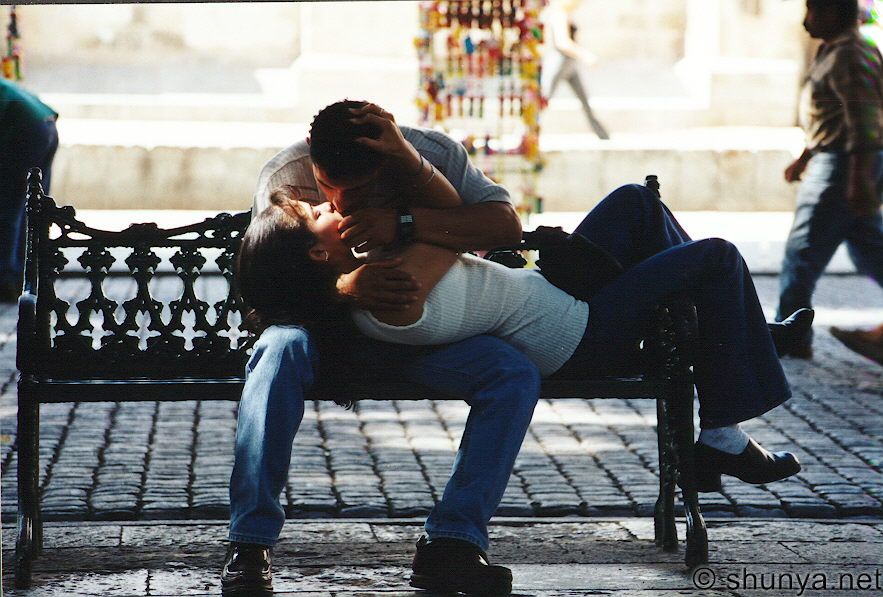
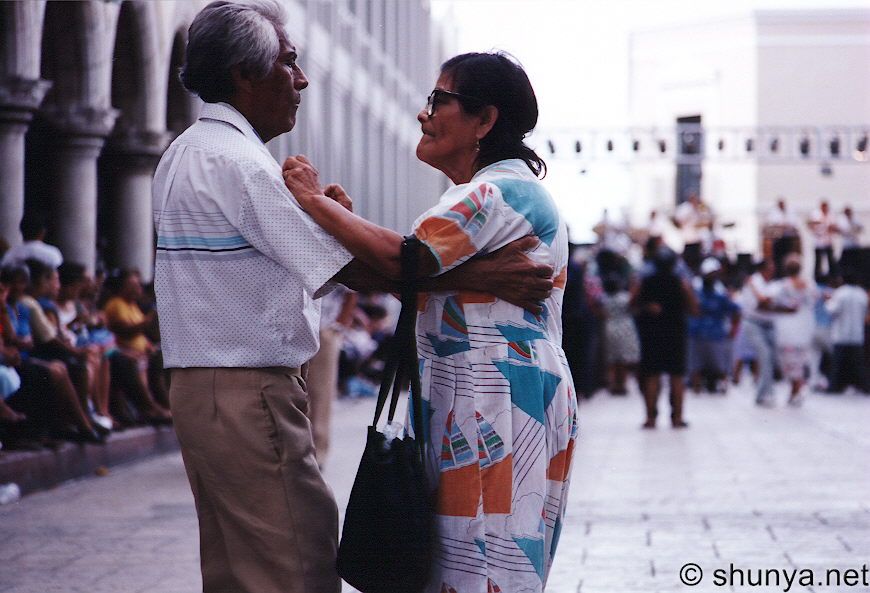
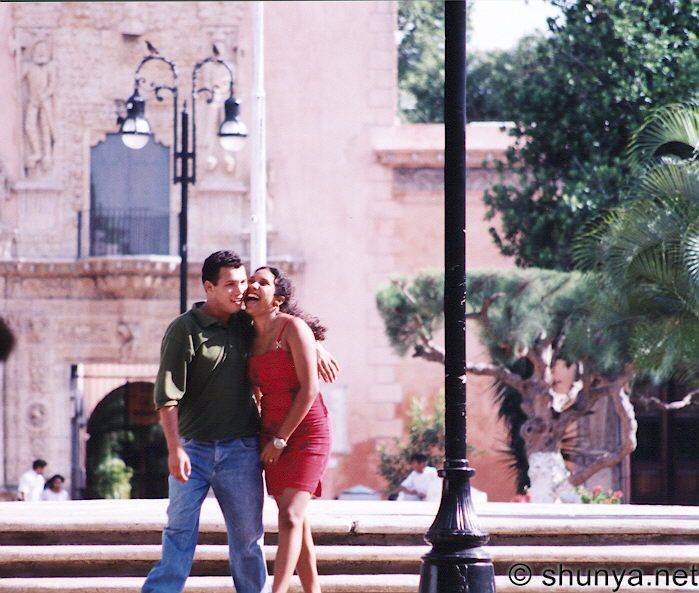
On the legal front, nearly all of my people
pictures are in public places: markets, fairs, river banks, bus/train stations, temple
precincts, festival sites, town squares, streets, parks, etc. What does
privacy mean in such public spaces? Google now has street view, so does Microsoft. Documentary filmmakers have long done it, as have
photojournalists, reporters, and videographers (esp. with celebrities). What gives a photographer the right
to shoot horrifying images of suffering in a war zone or a drought hit
area? What laws help us decide, or grant permission?
On the moral front, the question to ask is: am I causing my photographic subjects any harm? In general, my impoverished subjects are
not easily traceable or identified in any way. Most of them don’t know
or care about the web, nor do others in their circle. The probability of
harm coming to them due to their photos being on a website is so small
that it’s pointless worrying about it. In my mind, just the wider educational benefits of posting such photos on the web outweigh the downsides.You make an odd argument—that
photos take away from poor people their sphere of personality. I
disagree. This is a sentimental idea without merit. Photos do not
destroy personality, not of the poor, nor of the rich. I won’t
hesitate taking people photos even at Oktoberfest or a Gay-Lesbian parade in San Francisco. Photos of the poor are represented in my work to the extent
they are part of the world. And they are arguably revealed in a fuller range,
from joyful to ordinary to miserable states.
Praise for my “skills” is irrelevant to this discussion, as is the point that I donate, or negotiate on-the-spot payments to those whose photos I take, when applicable. But this has nothing to do with your main concern.What do you think?


This exchange happened a month ago; he hasn’t replied so far. (See here and here for related thoughts from previous posts.)


Leave a Reply to UshaCancel reply